Polonnaruwa: Sri Lanka’s Timeless Ancient Capital
Polonnaruwa, an extraordinary ancient city in Sri Lanka, is a UNESCO World Heritage Site that highlights the island’s medieval splendor. Serving as the capital from the 11th to the 13th century, this remarkable city is filled with well-preserved ruins, towering stupas, intricate carvings, and ancient reservoirs. With its rich history, cultural significance, and picturesque landscapes, Polonnaruwa is a must-visit destination within Sri Lanka’s famed Cultural Triangle.
Why Explore Polonnaruwa?
1. A Journey Through the Ancient City
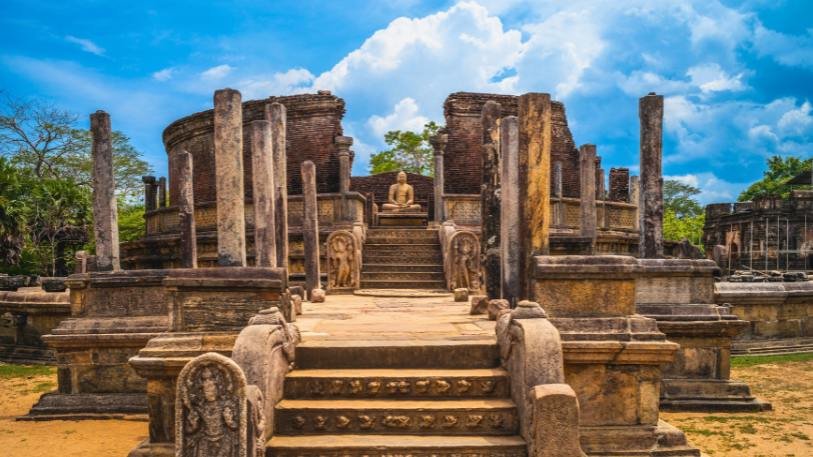
Walking through the ruins of Polonnaruwa offers a fascinating insight into the golden era of Sri Lankan civilization. Grand palaces, temples, and awe-inspiring Buddha statues showcase the architectural and engineering brilliance of ancient Sinhalese rulers. Some key landmarks include:
Royal Palace of King Parakramabahu I – Once a towering seven-story royal residence
Audience Hall – Adorned with finely carved stone elephants
Sacred Quadrangle (Dalada Maluwa) – A collection of Sri Lanka’s most revered relic shrines
Shiva Devalaya – Hindu shrines that reflect South Indian influences
2. Gal Vihara – The Masterpiece of Rock-Carved Buddhas
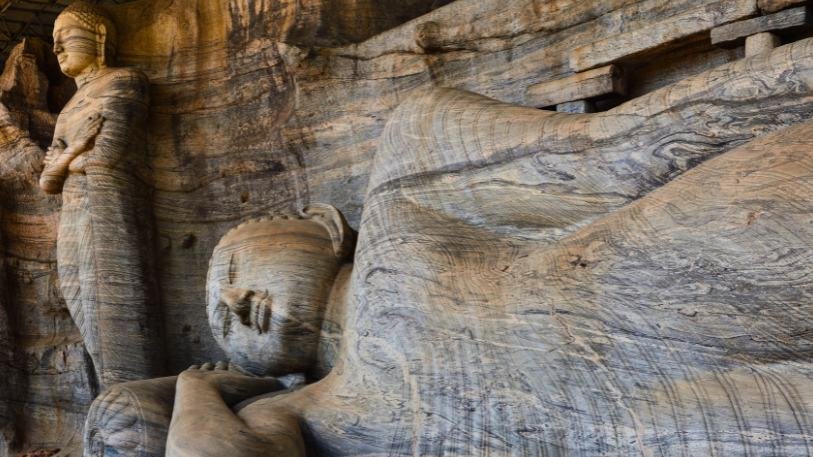
One of the most renowned landmarks in Polonnaruwa, Gal Vihara, is a rock-hewn temple featuring four remarkable Buddha statues carved into a single granite rock. These statues include:
A seated Buddha in deep meditation
A standing Buddha with a peaceful expression
A reclining Buddha representing Parinirvana (final enlightenment)
The artistic finesse and spiritual essence of Gal Vihara make it one of Sri Lanka’s most treasured Buddhist sites.
3. Parakrama Samudra – The Grand Reservoir
Built by King Parakramabahu I, this vast artificial lake spans over 2,500 hectares and continues to sustain agriculture in the region. It stands as a testament to Sri Lanka’s advanced ancient irrigation systems. With its tranquil waters and scenic beauty, the reservoir is also a fantastic spot for birdwatching and admiring stunning sunsets.
4. Rankoth Vehera – A Monumental Stupa
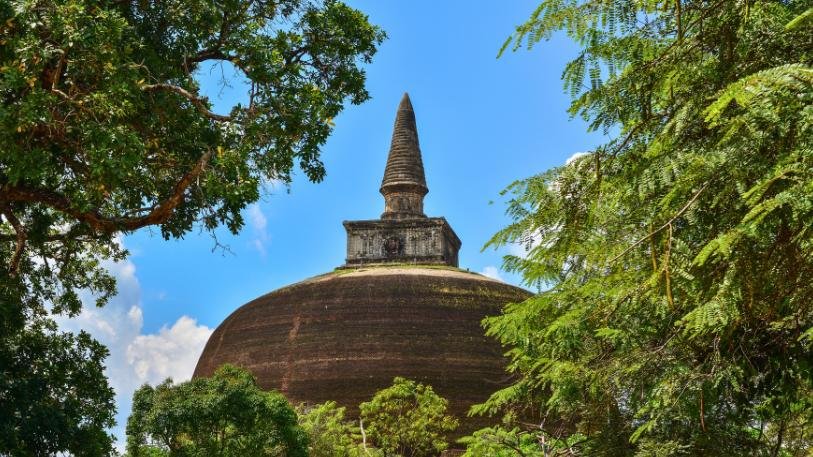
Modeled after the iconic Ruwanwelisaya Stupa in Anuradhapura, Rankoth Vehera is a massive 55-meter-tall dagoba that remains a place of Buddhist worship to this day. Surrounded by a peaceful atmosphere, it is a striking example of Polonnaruwa’s spiritual and architectural brilliance.
5. Lankatilaka Vihara – The Grand Image House
This imposing Buddhist shrine features a colossal standing Buddha statue housed within elaborately decorated brick walls. The intricate carvings and stunning frescoes inside the temple reflect the artistic mastery of the ancient kingdom.
6. Thuparama Gedige – The Timeless Stone Shrine
Thuparama Gedige is believed to be the only fully intact vaulted shrine from the Polonnaruwa period. This stone-built temple preserves remarkable murals and Buddha images, showcasing the blend of Sinhalese and South Indian architectural styles.
7. Nissanka Latha Mandapaya – The Lotus Pavilion
An elegantly crafted stone pavilion, this structure was used by King Nissanka Malla for chanting Buddhist scriptures. Its lotus-shaped stone columns, a rare architectural feature, symbolize purity and enlightenment.
8. Medirigiriya Vatadage – A Circular Relic Chamber
Located a short distance from Polonnaruwa, this beautifully designed circular relic house is surrounded by four Buddha statues, each facing a cardinal direction. The tranquil setting enhances the spiritual ambiance of the site.
9. Wildlife Encounters at Minneriya and Kaudulla National Parks
Nature enthusiasts visiting Polonnaruwa can embark on wildlife safaris in two renowned reserves:
Minneriya National Park – Home to the famous “Gathering of Elephants,” one of the largest elephant congregations in the world
Kaudulla National Park – A haven for elephants, deer, and vibrant birdlife, offering thrilling jeep safaris
10. Exploring the Ruins on Two Wheels
Cycling is a popular and enjoyable way to discover the ancient city. With its flat landscape, well-preserved ruins, and lush surroundings, Polonnaruwa offers an immersive experience for visitors who prefer to explore at their own pace.
Best Time to Visit Polonnaruwa
The ideal time to explore Polonnaruwa is between May and September, when the weather remains dry and sunny, perfect for sightseeing and outdoor activities. The monsoon season from October to January brings occasional heavy rains, but the ruins remain accessible.
Getting to Polonnaruwa
By Road – Located 220 km from Colombo, it takes around 5–6 hours to reach Polonnaruwa by car or bus.
By Train – Scenic train journeys run from Colombo to Polonnaruwa, offering beautiful countryside views.
By Air – Domestic flights to Sigiriya Airport, followed by a short drive, provide a quicker travel option.
Where to Stay in Polonnaruwa
A range of accommodation options is available, from budget guesthouses to luxurious eco-resorts. Many hotels are conveniently located near the ruins, offering easy access to historical sites.
Step into the Past in Polonnaruwa
Polonnaruwa is a place where history comes to life. Whether you are passionate about architecture, fascinated by history, or seeking spiritual inspiration, this ancient city promises an unforgettable journey through Sri Lanka’s rich cultural and archaeological heritage.